Projects
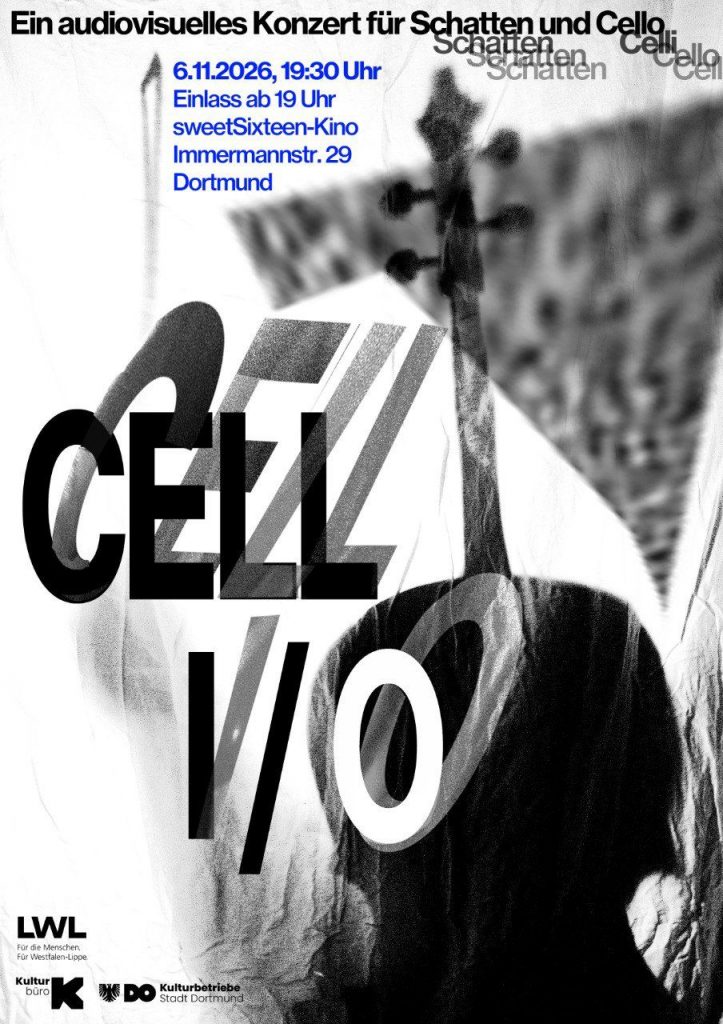
Celli/o
for celli/o, images and shadows
Inhale-apnea-exhale
improvisational performative piece for cello(s)
CELLI/O
Composition for cello/s and shadows
Video and shadows: Linda Weidmann
Music: Gianluca Castelli
Premiere: 6 November 2026, Kinosaal im Depot “SweetSixteen”, Dortmund
Funded by Kulturbetriebe Stadt Dortmund & Kulturfonds LWL
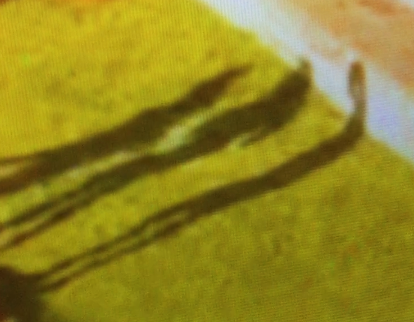
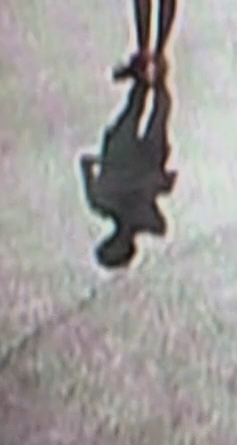
A cello player is visible as a shadow, he moves his bow, plucks the strings, changes position with the left hand. A monitor shows the image of a surveillance camera in the next room. Is there also a cello player sitting there? The sound shifts, it doesn’t match what I see. Can I trust my senses? Am I being watched? Do my actions have an influence on what is happening?
In CELLI/O, the audience is confronted with a scenario in which nothing is as it seems. Neither the number of musicians in the room nor the “authenticity” of the individual shadows that present themselves to them can be clearly determined. The compositions, which were written especially for cello/s and shadows, revolve around the question of the authenticity of events and their relationship to reality.
The Nobel Prize winner in economics Daniel Kahneman uses the acronym WYSIATI (What you see is all there is) to describe the tendency of the human brain to focus exclusively on the information that is immediately available rather than taking all available data into account. Kahneman speaks of two different systems: System 1 tries to construct as plausible a story as possible from as little information as possible so that decisions can be made quickly and intuitively. This system runs unconsciously, requires little energy, is therefore very error-prone and allows hasty conclusions to be drawn. In contrast to this is System 2, which must be consciously controlled, is slow and energy-consuming, as it proceeds logically and calculatingly. Judgments made on the basis of System 2 are less prone to error and more well-founded.
In everyday life, small decisions have to be made constantly (usually so quickly that this process takes place unconsciously). In such cases, this energy-saving mechanism of System 1 works excellently.
In other cases, however, hasty decisions could be made based on prejudices or misleading advertising. System 1 also provides an effective target for the spread of fake news and misinformation. Considering the rapid technological development of artificial intelligence and the mass distribution of images and texts, this issue is becoming increasingly important.
CELLI/O is based on the interferences of these two systems: During the concert, is not clear how many cellos (perhaps it is only a single cello) are in the room, which shadow is real, which camera image refers to a real situation, which sounds are pre-recorded. The audience is confronted with the question: are there perhaps even other entities in the room?
CELLI/O started as an experiment with the question: What possibilities are there to develop a classical musical composition together with moving images? The intensive collaboration between the composer Gianluca Castelli and the video artist Linda Weidmann resulted in the concept during the first phase of idea development. The focus was on an experimental approach to the sounds of a classical instrument (cello) and the diverse ways in which light can be used to create images. This work phase was accompanied by the philosopher Matteo Nascè, who is particularly interested in the question of shifts and interruptions in a philosophical context.
Through the performance of CELLI/O, the theoretical construct of ambiguities and illusions is thrown into reality. The audience is confronted with questions of its own perception, it begins to doubt and distrust its own senses – or quite the opposite: the system in which it is integrated. It is this experience of deception that will be at the forefront of the performance of CELLI/O. An experience that is either reflected in a DISappointment about the true reality of things or, in the best case, provides an impetus to reflect on the nature and susceptibility to error of one’s own senses.
Inhale-apnea-exhale
Improvisational performative piece for cello(s)*
Hommage to James Tenney and to the Studio DRIFT
Premiere: 18 January 2025, The Pool, Düsseldorf
Repetition, redundancy. Slowness and gradualness. No pause.
The clarity of pure tuning. The microscopic nuances of pitch that the human ear can perceive. The richness of the overtones.
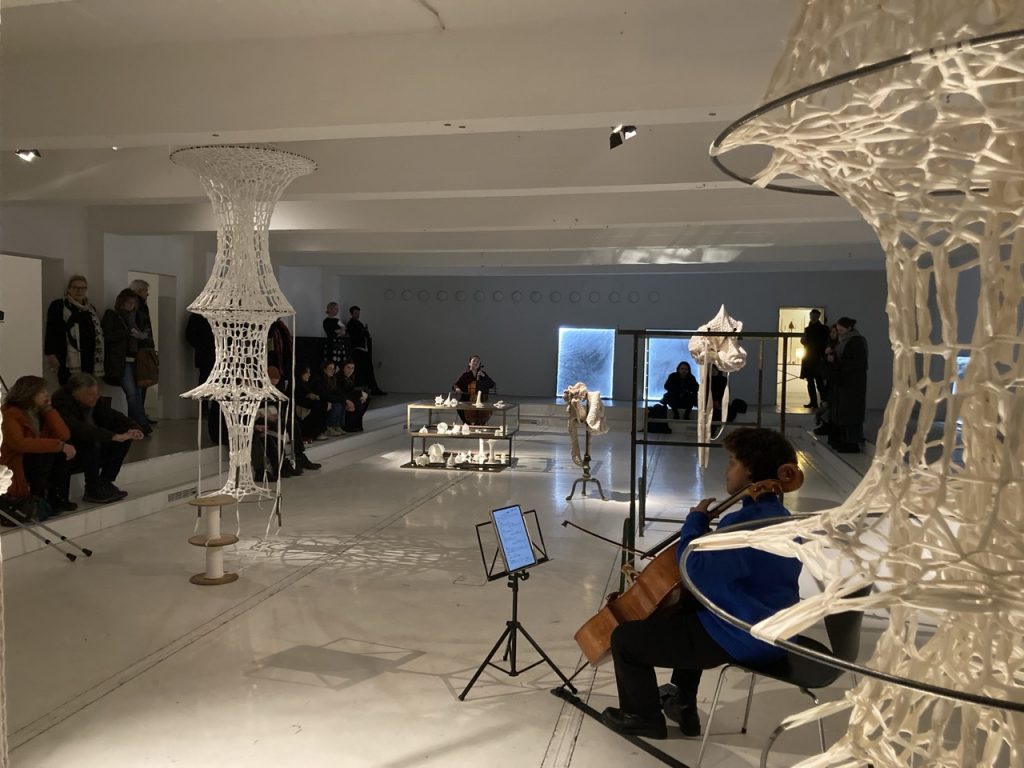
Several cellos playing the same piece in different rooms, simultaneously, but each one on its own. The sound of the cellos overlaps, the linear perception of time is suspended: Past, present and future interfere.
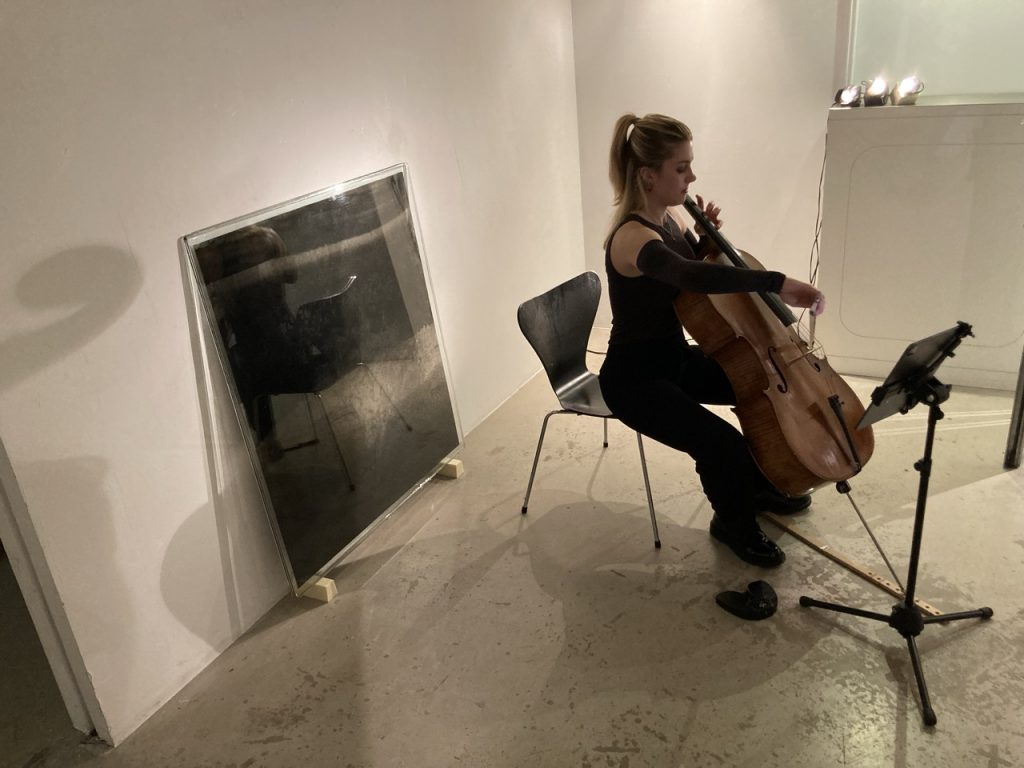
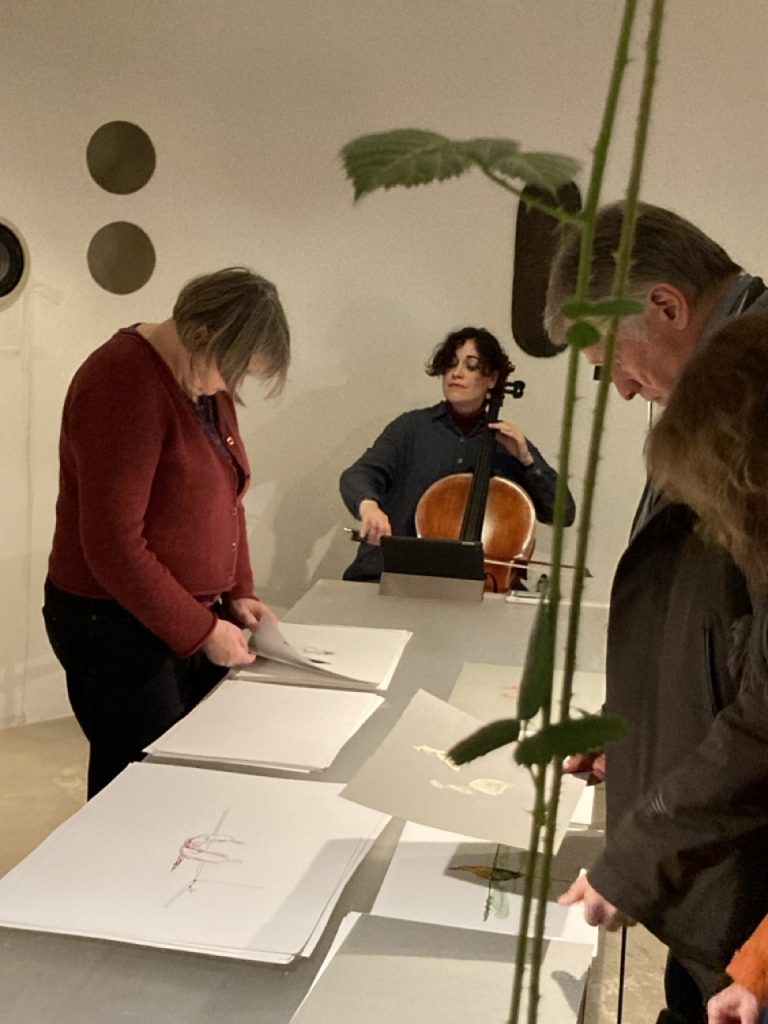
You move between the spaces, but the sound creates a unique space, without obstacles and time. How does the experience of the same objects change in different moments of the piece of music?
How do you experience the same piece in a different space with different objects?
Inhale-apnea-exhale was premiered at the finissage of ‘L’ art pour l’être‘ by Heinke Haberland and René Kersting on Jan. 18th, 2025 at The Pool, Düsseldorf in a version for 4 cellos who played simultaneously in different rooms. The duration of the performance was 60 minutes. (Trailer)
Alexandra Althoff, Maria Bovensmann, Maria del Mar Ribas, Nelika Yukawa – cellos
*The piece is open to different elaborations, it can be performed by a soloist or by several cellists who can play simultaneously or one after the other. The performer also determines the structure and duration of the piece by choosing from some alternatives proposed by the composer.